Font Size:
Learn what to watch out for

With remote work becoming more mainstream, it has never been easier to hit the road in a recreational vehicle. As more Americans realize the appeal of making their office a national park one day and a beach the next, 16.9 million households are interested in buying an RV in the next five years, according to the RV Industry Association. “There are so many great things happening this year, from America’s 250th birthday to the World Cup,” says Monika Geraci, a spokesperson for Go RVing. “People are discovering that RVing is one of the best and most affordable ways to be a part of the action and see incredible places across the country.”
When it comes to choosing an RV, there are options. At its most basic, you can pack a car with gear and head out. If you’re ready for more, renting an RV is a possibility. Of course you can also buy your own. About 90% of all RVs produced are towable, which can be an affordable solution.
When planning your first trip, Monika recommends staying close to home. Pick a destination just 30 or 40 miles away so you can learn how to work the water and power hookups in a lowstakes environment. The one challenge new campers shouldn’t stress about is backing up the RV.
“Everyone is a beginner once,” she says. “Most people in the RV community are incredibly helpful. If you’re struggling, a neighbor will likely offer to spot you.”
Once you’re on the road, you’ll have plenty of pit stops to choose from. Deciding where to pull over and stretch your legs will mostly depend on the camping experience you want.
RV parks and resorts: These are the best sites for beginners and families. With amenities like pools, Wi-Fi and full hookups for your utilities, you’ll have everything you need to keep everyone comfortable and happy.
State and national parks: The place to be for anyone looking to get away from it all and enjoy some incredible scenery. Just don’t expect the same amenities and ease of use you’ll find at an RV park.
Off the beaten path: There are plenty of apps and online platforms that can help you find low-cost or even free “boondocking” options, meaning a dry camp without utility hookups. These can range from sites on private and public land to secluded spots that provide truly one-of-a-kind experiences.
Burnout on long drives is a real concern for beginners and veterans alike. A good rule of thumb to keep from overdoing it is to travel in twos:
Drive no more than 200 miles at a time.
Arrive at your destination by 2 p.m.
Stay for at least two nights.
Following the 2-2-2 Rule can help drivers stay fresh and ensure everyone has time to enjoy the destination, rather than watching the world through a windshield.
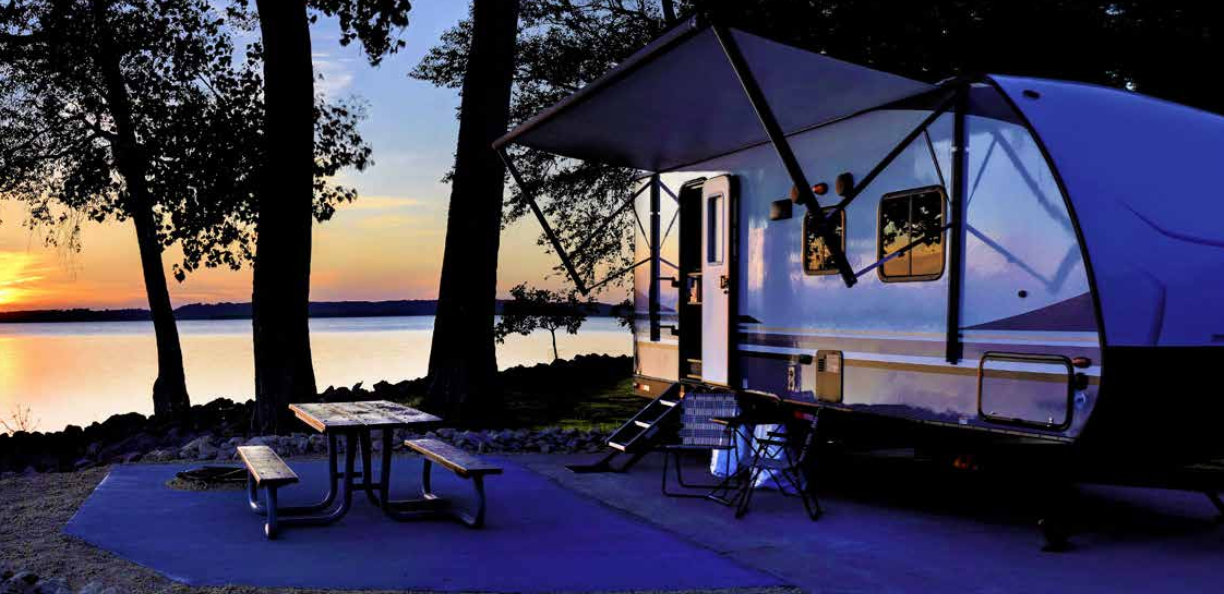
Anchor Down RV Resort sits on Douglas Lake in Tennessee with views of the Great Smoky Mountains. Full-service sites with access to boating, paddling, fishing and scenic drives make it a perfect base for exploring the area.
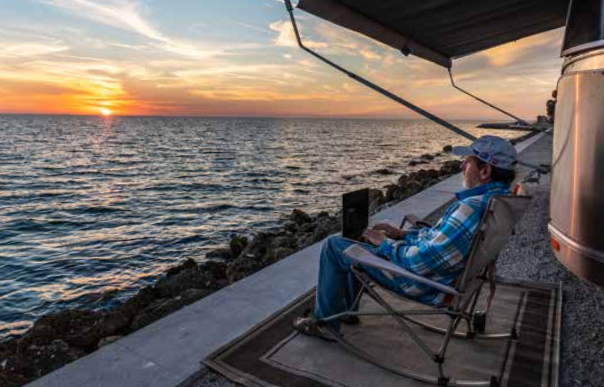
If you’re longing for something more coastal, don’t skip Topsail Hill Preserve State Park in the Florida Panhandle. With a combination of dune lakes, beach access and convenient RV hookups, it blends natural beauty with biking, bird-watching and swimming excursions.